





When it comes to choosing a vehicle, one of the most important decisions you’ll make is the type of fuel it uses. Diesel, gasoline, and natural gas are the three most common options available today, each with its own benefits and drawbacks. Whether you’re considering a Chevrolet or GMC truck or SUV, understanding how each fuel type impacts performance, fuel efficiency, and the environment is crucial in making an informed decision. In this article, we’ll explore the differences between diesel, gas, and natural gas to help you choose the best fuel option for your needs.
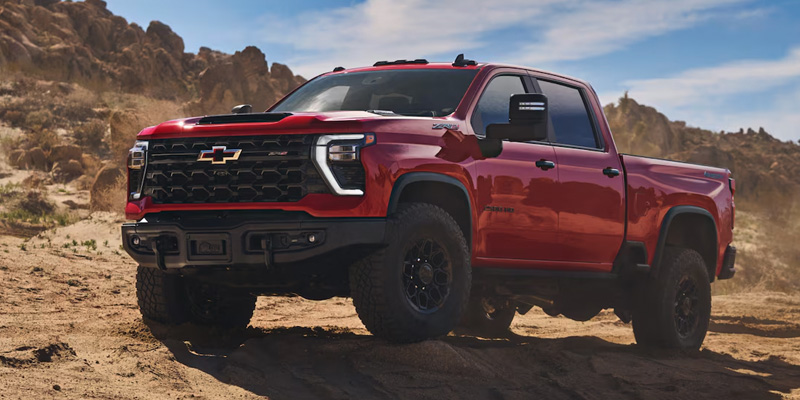
Understanding the Basics of Diesel, Gas, and Natural Gas
Each fuel type offers distinct advantages depending on your driving habits, environmental concerns, and performance expectations. Diesel engines, known for their durability and high torque, are often favored for heavy-duty tasks. Gasoline engines, widely used in passenger vehicles, are known for their efficiency and availability. Meanwhile, natural gas vehicles (NGVs) are increasingly popular for those looking for a more environmentally friendly alternative.
Diesel Fuel
Diesel engines are most commonly found in Chevrolet and GMC trucks and commercial vehicles, where the high torque output and fuel efficiency are key advantages. Diesel engines operate using compression ignition, which allows them to generate more power per gallon of fuel compared to gasoline engines. As a result, they tend to offer better towing capacities and higher payload capabilities, making them ideal for heavy-duty applications like hauling and towing.
- Fuel Efficiency: Diesel engines typically deliver more miles per gallon (MPG) than gasoline engines. This makes them a good choice for long-distance driving or for vehicles that need to haul heavy loads regularly.
- Power and Performance: Diesel engines provide more torque, which translates into better performance when pulling heavy loads or when used in trucks designed for tough terrain or work environments.
- Durability: Diesel engines are built to last longer than gasoline engines, and when maintained properly, they can offer impressive longevity. This is why diesel-powered vehicles are often the preferred choice for fleets or vehicles used in commercial settings.
- Environmental Impact: While diesel engines are more fuel-efficient, they have traditionally emitted higher levels of nitrogen oxides (NOx) and particulate matter, which can contribute to air pollution. However, modern diesel engines are equipped with advanced emissions control systems that reduce their environmental impact.
Gasoline Fuel
Gasoline-powered vehicles are the most common on the road today, particularly in Chevrolet and GMC cars, SUVs, and light-duty trucks. Gasoline engines operate using spark ignition, where the fuel-air mixture is ignited by a spark plug, providing smooth and reliable performance for everyday driving.
- Fuel Efficiency: Gasoline engines generally offer lower fuel efficiency than diesel engines, but they are still an economical option for most drivers, especially when considering the lower initial cost of gasoline-powered vehicles.
- Cost and Availability: Gasoline is widely available and typically less expensive than diesel or natural gas, making it the most convenient option for everyday drivers. Additionally, gasoline engines usually cost less to maintain than diesel engines, which can be a significant factor for budget-conscious buyers.
- Performance: Gasoline engines provide smooth, responsive acceleration and a quieter driving experience compared to diesel engines. They are ideal for standard driving needs, including city commutes, road trips, and occasional towing.
- Environmental Impact: Gasoline engines emit lower levels of NOx and particulate matter than diesel engines, but they still contribute to air pollution and greenhouse gas emissions, primarily carbon dioxide (CO2).
Natural Gas Fuel
Natural gas is an alternative fuel option that has been gaining popularity, particularly in fleet vehicles and trucks. Compressed natural gas (CNG) is the most common form of natural gas used in vehicles, offering an environmentally friendly alternative to gasoline and diesel. CNG-powered vehicles are increasingly used by businesses and municipalities seeking to reduce their carbon footprint.
- Environmental Benefits: Natural gas is a cleaner-burning fuel compared to gasoline and diesel. It produces fewer emissions, including CO2, NOx, and particulate matter. For those focused on sustainability, natural gas offers a more environmentally conscious choice.
- Fuel Efficiency and Range: While CNG vehicles are generally more fuel-efficient than gasoline-powered vehicles, they typically have a shorter driving range due to the lower energy content of natural gas. However, advancements in CNG infrastructure and technology are making it easier to refuel and extend range.
- Performance: Natural gas engines offer similar performance to gasoline engines, but with a cleaner and quieter operation. They can be used in light-duty and heavy-duty vehicles alike, and they are particularly well-suited for commercial trucks, delivery fleets, and buses.
- Availability and Infrastructure: The availability of natural gas refueling stations is a limitation, especially in rural or remote areas. However, urban centers and major commercial hubs are increasingly adopting CNG stations, making it a viable option for businesses and cities.
Diesel vs. Gas vs. Natural Gas: Which is Right for You?
Choosing between diesel, gasoline, and natural gas depends on various factors, including your driving habits, environmental goals, and budget. Here’s a breakdown of how each fuel type might be best suited for different needs.
1. Best for Towing and Hauling: Diesel
If you’re regularly towing heavy loads or need to carry large payloads, diesel is the best option. Diesel engines provide more torque and offer superior power, making them ideal for commercial use, farming, construction, or other industries that require heavy-duty capabilities. Diesel is also more fuel-efficient for long trips, especially for vehicles like the Chevrolet Silverado 2500HD or GMC Sierra 2500HD.
2. Best for Everyday Driving: Gasoline
For most drivers, gasoline is the most practical and affordable choice. If you have a typical driving routine—such as daily commutes, family trips, and occasional weekend drives—a gasoline engine will provide the performance, convenience, and fuel economy you need. Plus, gasoline is more readily available, and maintenance costs are generally lower.
3. Best for Environmental Impact: Natural Gas
If you’re looking to reduce your carbon footprint and drive a more environmentally friendly vehicle, natural gas is an excellent choice. Natural gas vehicles are cleaner, produce fewer greenhouse gases, and help reduce reliance on oil. Many commercial fleets and municipalities have already made the switch to CNG-powered vehicles for these reasons.
Making the Right Choice for Your Chevrolet or GMC Vehicle
When deciding between diesel, gasoline, or natural gas for your next Chevrolet or GMC vehicle, it’s important to evaluate your driving needs, environmental priorities, and budget. Whether you need the raw power of a diesel engine for work or the efficiency and convenience of a gasoline-powered car for daily driving, Tri-City Chevrolet GMC in Eden, NC, is here to help you find the perfect vehicle for your lifestyle.
Our team of experts can assist you in selecting a vehicle with the right fuel type that meets your needs, so you can drive confidently and efficiently. Visit us today to explore our wide selection of Chevrolet and GMC vehicles and make the best choice for your next ride.
Connect with us


Archives
- 2024 Chevrolet
- 2024 GMC
- 2026
- 2026 Equinox
- 2026 Silverado 1500
- 2026 Trax
- Auto Financing
- Auto Parts
- Battery Replacement/Repair
- Blazer
- Camaro
- Eden Chevrolet Dealer
- Eden Chevrolet Service
- Eden GMC Dealer
- Eden Truck Dealer
- Eden Used Cars
- Eden, NC
- Equinox
- Equinox
- Finance
- First Time Buyer
- Sierra 2500
- Sierra 3500
- Silverado 1500
- Silverado 2500
- Specs
- Technology
- Terrain
- Tri-City Chevrolet GMC
- Tri-City Chevrolet GMC Service
- Turbo Diesel
- Uncategorized