




Chevrolet, a name synonymous with American automotive excellence, has a rich history spanning over a century. Founded in 1911, Chevrolet has continuously evolved, shaping the landscape of the automotive industry with groundbreaking innovations, iconic models, and a commitment to quality. From the first Chevrolet model to the latest technological advancements, the brand’s journey has been marked by a relentless drive to improve and meet the needs of drivers worldwide. In this article, we’ll take a closer look at the history of Chevrolet, exploring the milestones that have defined this legendary brand.
The Beginning: The Birth of Chevrolet
Chevrolet was founded by Swiss race car driver Louis Chevrolet and General Motors co-founder William C. Durant in 1911. Durant, who had been ousted from GM, sought to create a new car company and needed an experienced engineer to help design high-quality vehicles. With Chevrolet’s racing pedigree and Durant’s business acumen, they formed the foundation of what would soon become one of the most influential automotive brands in the world.
- First Model: The first Chevrolet model, the 1912 Chevrolet Series C Classic Six, was introduced in 1912. It was a six-cylinder car that aimed to combine performance with affordability. The success of this model helped establish Chevrolet as a serious competitor to Ford’s mass-produced cars.
- Chevrolet and GM: In 1918, Chevrolet was acquired by General Motors, becoming one of the company’s key brands. This acquisition allowed Chevrolet to expand its reach and access GM’s resources, enabling the brand to compete more effectively in the growing automotive market.
The Rise to Popularity: The 1920s and 1930s
The 1920s and 1930s were pivotal decades for Chevrolet, marked by significant advancements in both vehicle technology and production processes.
- The 1920s: Chevrolet became a major player in the automotive market, largely due to the introduction of more affordable models, such as the Chevrolet National and Chevrolet Superior series. The National, introduced in 1921, was one of the first cars to feature an overhead valve engine, setting a standard for future Chevrolet engines.
- The 1930s: Chevrolet's success continued to grow in the 1930s. The introduction of the Chevrolet Master in 1933 brought new styling and features to the brand, including a streamlined design and improved performance. The introduction of hydraulic brakes in 1936 was a major leap forward, making Chevrolet vehicles safer and easier to drive.
Post-War Expansion: The 1940s and 1950s
The years following World War II were a time of great innovation for Chevrolet. The brand not only recovered from wartime production stoppages but also embraced new technologies and design trends.
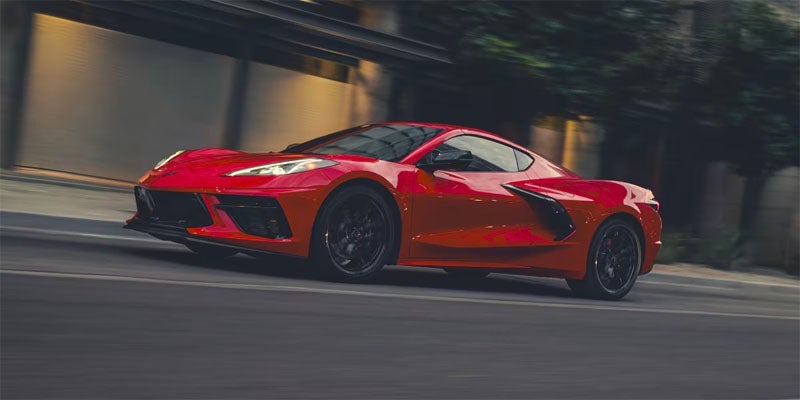
- The Corvette: One of Chevrolet’s most iconic vehicles, the Chevrolet Corvette, was introduced in 1953. This sports car, designed to rival European luxury sports cars, became an instant symbol of American automotive prowess. The Corvette’s introduction marked Chevrolet’s entry into the performance car market, a category it would continue to dominate for decades.
- The Bel Air: During the 1950s, Chevrolet introduced the Chevrolet Bel Air, one of the brand’s most enduringly popular models. Known for its stylish design, reliable performance, and advanced features, the Bel Air helped solidify Chevrolet's place as a leader in both affordability and performance.
The Muscle Car Era: 1960s and 1970s
The 1960s and 1970s marked the beginning of the muscle car era, with Chevrolet at the forefront of the movement. The brand introduced several models that would go on to become legends in American automotive history.
- Chevrolet Camaro: The introduction of the Chevrolet Camaro in 1967 created a new competitor to the Ford Mustang. The Camaro’s powerful engines, sleek design, and aggressive styling made it an instant hit with driving enthusiasts and solidified Chevrolet’s reputation in the muscle car market.
- Chevrolet Chevelle: Another iconic model introduced during this era was the Chevrolet Chevelle. With its combination of performance and practicality, the Chevelle became one of Chevrolet's best-selling vehicles of the 1960s and early 1970s.
- The Impact of the 1970s: While the 1970s saw the rise of fuel efficiency concerns and stricter emissions regulations, Chevrolet continued to innovate with new designs and more economical vehicles, such as the Chevrolet Malibu.
The Modern Era: 1980s to Present
As the automotive landscape continued to evolve, so did Chevrolet. The brand embraced new technologies, design principles, and global expansion, becoming a household name not only in the United States but across the world.
- The 1980s: In the 1980s, Chevrolet focused on improving fuel efficiency without sacrificing performance. Models like the Chevrolet Cavalier became popular for their affordability and fuel economy, catering to a growing market of budget-conscious consumers.
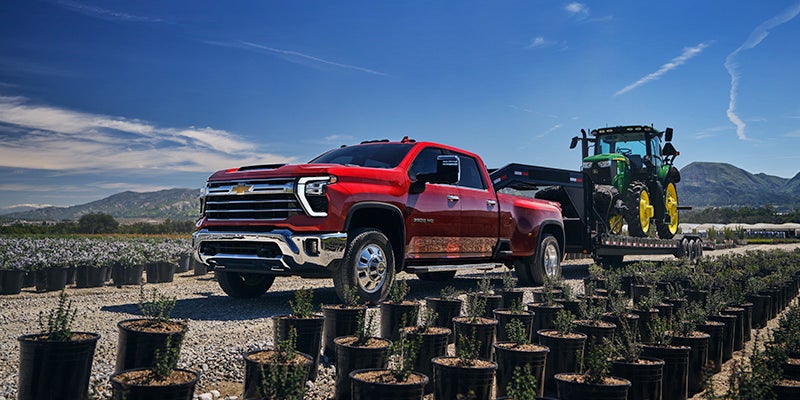
- The Silverado: In 1998, Chevrolet introduced the Chevrolet Silverado, a model that would become one of the best-selling pickup trucks in the United States. Known for its power, durability, and versatility, the Silverado continues to be one of Chevrolet’s flagship models.
- Technological Advancements: In the 21st century, Chevrolet embraced new technologies, including hybrid and electric vehicles, to meet the demands of an environmentally conscious market. The introduction of the Chevrolet Volt in 2010 marked the company’s commitment to electric mobility. More recently, the Chevrolet Bolt EV has become a leader in affordable electric vehicles.
- Chevrolet Silverado HD: With the continued success of the Silverado, Chevrolet expanded into the heavy-duty truck market with the Chevrolet Silverado HD series, offering even greater towing capabilities, a more robust engine lineup, and cutting-edge technology for commercial and personal use.
Chevrolet Today: Innovation and Sustainability
As of today, Chevrolet continues to push the boundaries of automotive innovation, focusing on cutting-edge technology, sustainability, and performance. The brand's commitment to creating vehicles that blend performance, efficiency, and safety is more evident than ever.
- Electric and Autonomous Vehicles: Chevrolet has embraced the future of driving with models like the Chevrolet Silverado EV and the Chevrolet Bolt EUV, marking the brand’s dedication to sustainable, all-electric vehicles. Additionally, the company is exploring autonomous driving technologies, aiming to lead in the future of transportation.
- Safety and Technology: Today’s Chevrolet vehicles are equipped with advanced safety systems such as Chevrolet Safety Assist, which includes features like automatic emergency braking and lane-keeping assist. The brand continues to refine its Chevrolet MyLink infotainment system, offering seamless connectivity with smartphones, navigation, and more.
From its humble beginnings in 1911 to its current position as a global automotive leader, Chevrolet has a history built on innovation, quality, and performance. The brand’s legacy continues to influence the automotive industry today, with a strong focus on sustainability, technology, and consumer satisfaction
Chevrolet’s ability to adapt to changing times while staying true to its roots as a builder of reliable, affordable, and high-performing vehicles is what has kept it at the forefront of the automotive market for over 100 years. Check out the latest innovations at Tri-City Chevrolet today.