



Oil pressure does not get much attention until something goes wrong. Then it gets all of it. That small gauge or warning light is tied directly to how well your engine is surviving each mile you drive. Around Eden, where temperature swings and daily driving conditions can vary, oil pressure is not something to ignore. It is a real-time indicator of how well your engine is being protected.
How Does Oil Pressure Affect Your Vehicle?
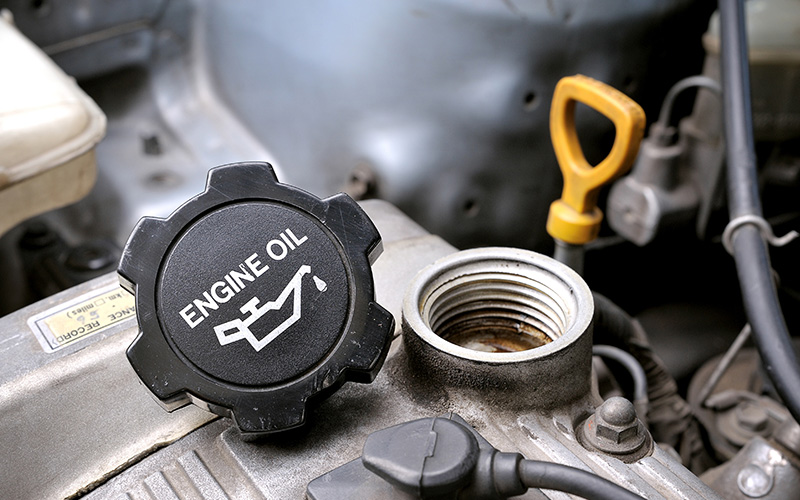
Oil pressure is what keeps engine components separated by a thin, protective film of oil. Without it, metal meets metal, heat builds, and wear accelerates quickly. The oil pump keeps everything moving. It pushes oil through the engine’s internal passages so critical components stay lubricated and cooled. When pressure drops, that protection weakens. When pressure climbs too high, it can point to restrictions or blockages in the system. Either way, the engine is telling you something needs attention.
How Is Oil Pressure Measured?
Most vehicles rely on a sensor that monitors oil pressure and relays that information to a dashboard gauge or warning light. It is a simple system, but it provides essential feedback. For many engines, normal operating pressure falls between 20 and 60 psi while running. The exact number depends on design, temperature, and engine speed. Cold starts tend to show higher pressure. Warm engines settle into a steady range once oil is flowing properly. If the gauge starts moving in ways that seem unusual, or a warning light appears, that is not something to put off until later.
How Often Should You Check Your Oil Pressure?
Oil pressure is constantly monitored while you drive, but it still helps to stay aware of what is normal for your vehicle. Checking it during routine oil changes is a good habit. A quick look at the gauge during daily driving works just as well. If something changes, you will notice it sooner. If there is any uncertainty, Tri-City Chevrolet Buick GMC can check system performance during regular service visits.
What Maintenance Should You Schedule?
Oil pressure itself is not something you service directly. It is the result of everything else working correctly.
Keeping it stable comes down to a few fundamentals:
- Regular oil changes using the correct oil type
- A properly functioning oil pump
- Clean oil filters that allow consistent flow
- No leaks that reduce oil volume
Stay consistent with those basics, and oil pressure tends to stay where it should.
What Can Go Wrong with Oil Pressure?
When oil pressure falls or spikes, there is always a reason. Low oil levels are one of the most common causes. Less oil means less pressure and less protection. A failing oil pump can also reduce circulation. Clogged filters restrict flow. Over time, internal engine wear can create gaps that reduce pressure as oil moves through the system. The signs are usually clear. Knocking sounds, rising engine temperature, or a warning light that refuses to go away. None of those improve on their own.
Keep Your Oil in Check in Eden, NC
Oil maintenance is not complicated, but it is critical. It reflects the health of your engine in real time, and it responds quickly when something is off. At Tri-City Chevrolet in Eden, NC, service teams focus on the systems behind that pressure. Oil condition, filtration, pump function, and leak inspection all work together to keep your engine operating as intended, mile after mile.
Connect with us


Archives
- 2024 Chevrolet
- 2024 GMC
- 2026
- 2026 Equinox
- 2026 Silverado 1500
- 2026 Trax
- Auto Financing
- Auto Parts
- Battery Replacement/Repair
- Blazer
- Camaro
- Eden Chevrolet Dealer
- Eden Chevrolet Service
- Eden GMC Dealer
- Eden Truck Dealer
- Eden Used Cars
- Eden, NC
- Equinox
- Equinox
- Finance
- Sierra 2500
- Sierra 3500
- Silverado 1500
- Silverado 2500
- Specs
- Technology
- Terrain
- Tri-City Chevrolet GMC
- Tri-City Chevrolet GMC Service
- Turbo Diesel
- Uncategorized